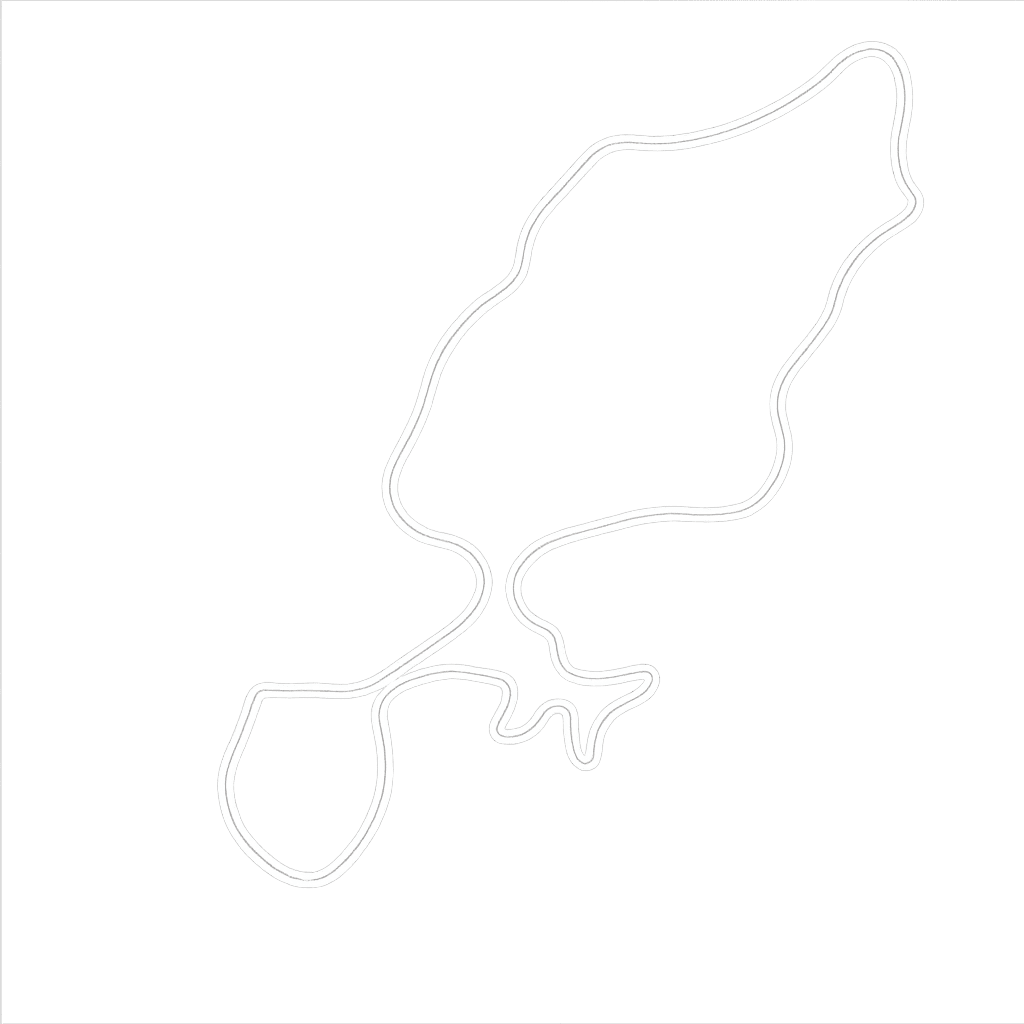
Diving Twins Bay – Lively sheltered pinnacles at Koh Nangyuan
Twins Bay is usually Koh Nangyuan’s most sheltered dive site, and Duck n Dive offers direct beach access just steps from our dive center. Located on the west side of the island adjacent to Japanese Gardens, this calm, protected bay features a gently sloping sandy bottom with scattered coral bommies and some large rocky outcrops. With depths ranging from 3 to 18 meters and very little current for most of the year, Twins Bay is the ideal environment for Open Water training, refresher dives, and relaxed shore diving.

Key info
Location: On the western side of Koh Nangyuan, directly opposite Japanese Gardens
Depth range: 3-18 meters
Currents: From November to June it is very sheltered, minimal current
Water temperature: 27-30°C
Access from Nangyuan: Beach dive – 5 minute surface swim from the beach
Recommended Level: PADI DSD participant (Beginner) or PADI Open Water diver
Dive Site Overview
Twins Bay takes its name from the two prominent rocky outcrops that can be found, it sits in a natural sheltered cove. The site is across from Japanese Gardens, seperated by the same sandbar that links two of the peaks of Koh Nangyuan, making it easy to combine both sites in a single day of beach diving.
The underwater terrain is a mix of sandy patches, scattered coral bommies (small, isolated coral heads), and rocky outcrops. Unlike the denser coral gardens of Japanese Gardens, Twins Bay offers more open space, making it ideal for practicing skills like buoyancy control, mask clearing, and regulator recovery without worrying about damaging delicate coral.
As you move North from Twins, you can find Bouyancy World. An artificial reef hosting vibrant hard and soft corals providing shelter for marine life.
Common Marine Life
Twins Bay may be a training site, but it is far from barren. The scattered coral bommies and rocky outcrops host a surprising variety of marine life, making even practice dives enjoyable. Among the most common residents are butterflyfish, parrotfish, damselfish, and angelfish darting between coral heads. Clownfish are also possible to be seen, living symbiotically with the Magnificent Anemones that provide them shelter.
The sandy patches are home to blue-spotted ribbontail rays, often hiding under rocks in the day, and easy to spot once you know what to look for. Moray eels peek from crevices in the rocky outcrops, and cuttlefish are occasional visitors, especially at night, changing color as they glide over the sand.
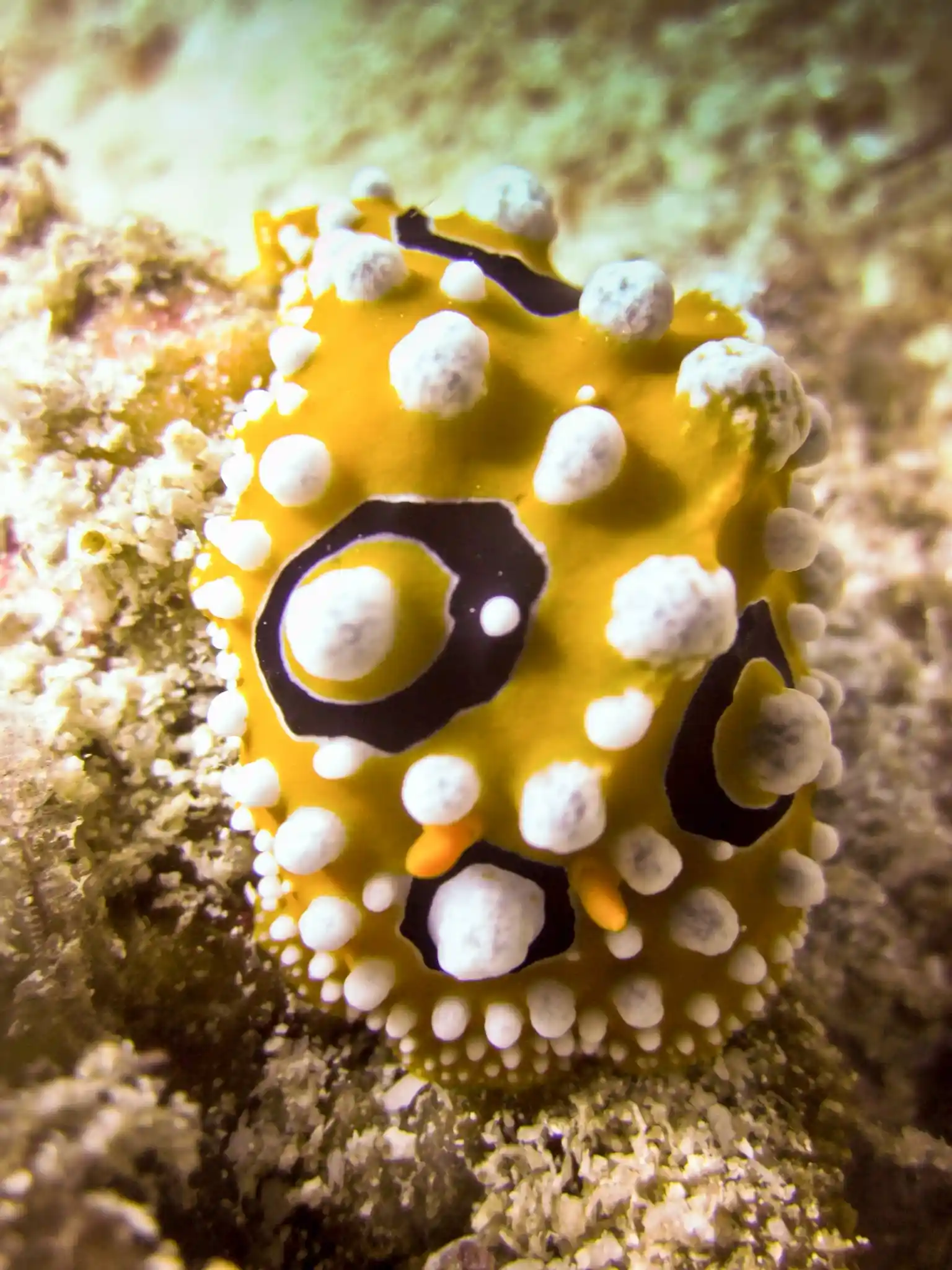
Green turtles are frequent visitors to Twins Bay, often seen grazing on the soft corals that grow on the deeper boulder formations. For macro enthusiasts, the bommies host nudibranchs, shrimp, and Christmas tree worms living within the coral heads.
Closer to the Island there is a snorkeling area for Twins Bay, it is an excellent site for snorkeling, particularly for resort guests who want to explore the reef in the early morning and afternoon where a large population of Black Tip Reef Sharks can often be seen.
Frequently Asked Questions About Diving Twins Bay
How deep is the dive at Twins Bay?
The depth ranges from 3 to 18 meters, with most training activities conducted in 3–10 meters. The deeper areas (14–18 meters) are near the outer edge of the bay where larger boulder formations provide better coral coverage and marine life.
Is Twins Bay suitable for beginner divers?
Yes, absolutely. Twins Bay is specifically used for beginner training because of its calm conditions, shallow depth, and sandy bottom. It is suitable for Discover Scuba Diving experiences and PADI Open Water dives.
What marine life will I see at Twins Bay?
Common sightings include butterflyfish, parrotfish, damselfish, blue-spotted rays, moray eels, cuttlefish, and frequent green turtles. The bommies also host nudibranchs, shrimp, and Christmas tree worms.
Can I snorkel at Twins Bay?
Yes, although caution must be made for boat traffic when outsode the snorkeling area. The reef starts in very shallow water (3–4 meters) and the bay is extremely sheltered, Twins Bay is excellent for snorkeling. Our guests staying at Koh Nangyuan Resort can snorkel here directly from the beach and have the opportunity to see our resident population of Black Tip Reef Sharks around sunrise or sunset time.
How do I access Twins Bay from Duck n Dive?
Twins Bay is located on the western side of Koh Nangyuan, adjacent to Japanese Gardens. From Duck n Dive dive center the bay is approximately a 1-minute walk along the shore, and about 5 minute surface swim to the descent point. Your instructor or divemaster will guide you.
What certification do I need to dive at Twins Bay?
PADI Open Water Diver (or equivalent) or even just Discover Scuba Diving (for first-timers) is sufficient. The site is designed for entry-level divers.
How does Twins Bay compare to Japanese Gardens?
Twins Bay and Japanese Gardens are adjacent sites but offer different experiences. Japanese Gardens is denser coral gardens with shallower average depth (1–14m), better for macro photography and relaxed scenic diving. Twins Bay has more open sand, isolated rock formations, slightly deeper maximum depth (18m), and is better for deeper fun dives to a pinnacle.
How to Dive Twins Bay with Duck n Dive Nangyuan
Twins Bay is our most accessible dive site, we offer maximum flexibility here. Discover Scuba Diving participants may use Twins Bay for their second dive as an alternate site to Japanese Gardens. Our PADI Open Water course students conduct their first Open Water dives (dives #1 and #2) at Twins Bay, taking advantage of the sandy bottom and calm conditions to master their core skills before moving to more advanced sites on the dive boat.
For certified divers, fun dives are available daily as beach dives. Twins Bay is an excellent choice for a refresher dive if you’ve been out of the water for a while — the sandy bottom provides plenty of space to practice mask clearing, regulator recovery, and buoyancy control before exploring the bommies. Night dives can be arranged on request; after dark, the sand attracts octopus and cuttlefish, and sleeping fish can be observed tucked into coral crevices.

